
Trust Anchors: Why the Empty Aisle Can Still Win

In a lot of boardrooms, flat same-store sales get treated as a warning sign. In this current environment, they might be the opposite.
Restaurant operators have spent the last several years absorbing input cost inflation, labour pressure, and a consumer who is more deliberate about discretionary spending than they've been in a decade. Against that backdrop, a brand that holds its traffic and its guest counts steady, even without growth, is doing something harder than it looks. Flat isn't stagnation. In a contracting or cautious category, flat can be resilience.
The mistake is judging every brand against a single growth expectation without asking what the surrounding conditions actually demanded. A concept that held its base while a category around it softened told us something real about loyalty, value perception, and operational discipline. A concept that grew but eroded its margins or guest experience to do it may have told us the opposite story, even with a better headline number.
This is where topline metrics can mislead if they're read in isolation. Same-store sales, traffic, and average check all matter for sure. But they only mean something in the context of what guests' value right now: consistency, perceived value, and trust that the experience won't waver even as prices have. Understanding which of those levers is protecting a brand's base requires getting underneath the number, not just reporting it.
For restaurant brands navigating a genuinely tough operating environment, the right question isn't "did we grow?" It's "did we hold onto what our guests trust us for, and can we prove it?" That's a research question, not just a finance question, and it's one worth asking before the next planning cycle.
If your topline numbers aren't telling the full story, we can help you find the one that is. Get in touch.
Related notes.

More Than an Arrow: Why Wayfinding Is a Safety Strategy
Why wayfinding is safety infrastructure, not just a signage refresh.
Beyond the Liquid: How Experience Became the New Premium in Spirits
How experience, not just liquid, is winning premium in spirits.
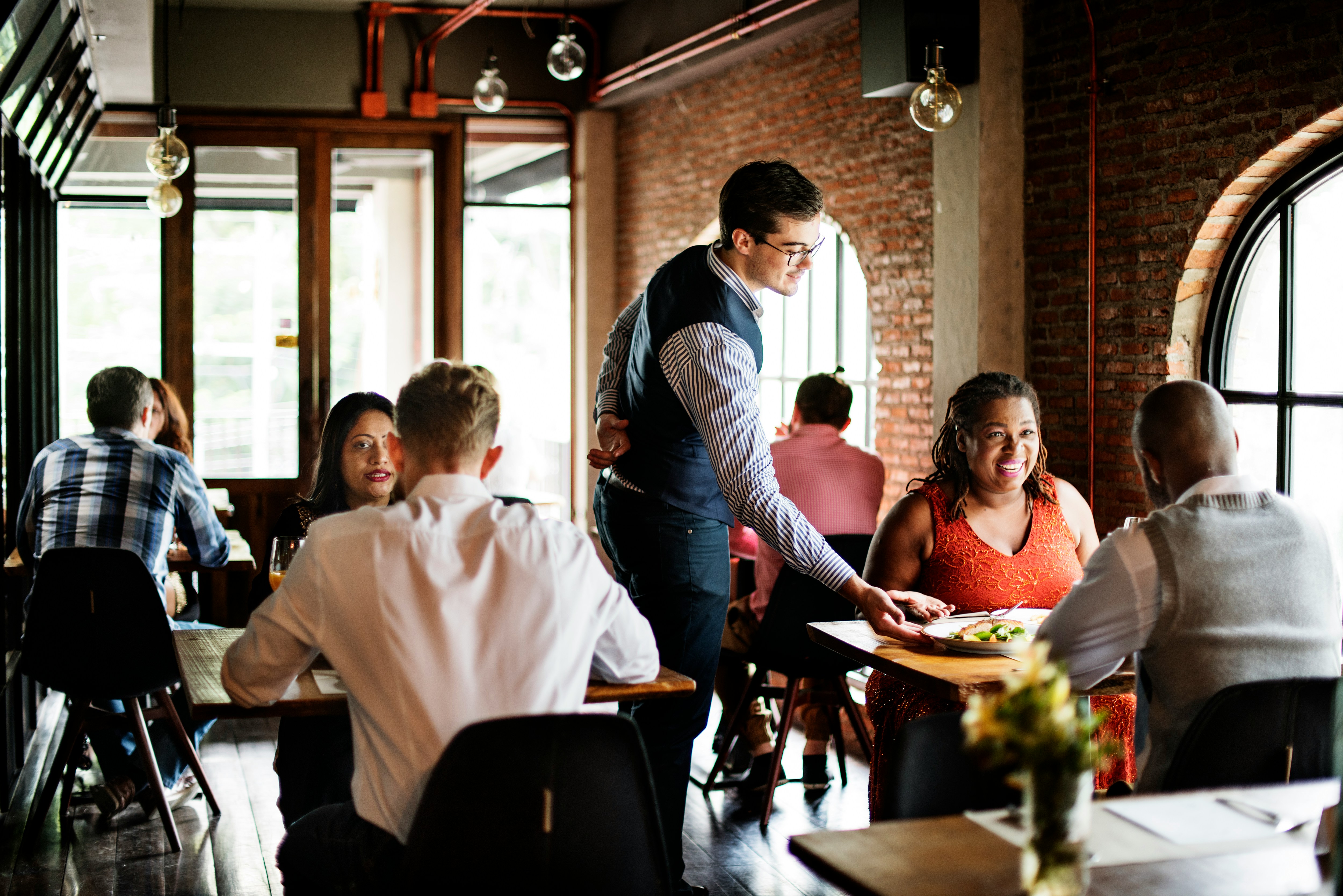
Flat Isn't Failure: Rethinking What "Resilience" Looks Like in Restaurants
Why flat sales might be the strongest sign of brand health.