
Beyond the Liquid: How Experience Became the New Premium in Spirits

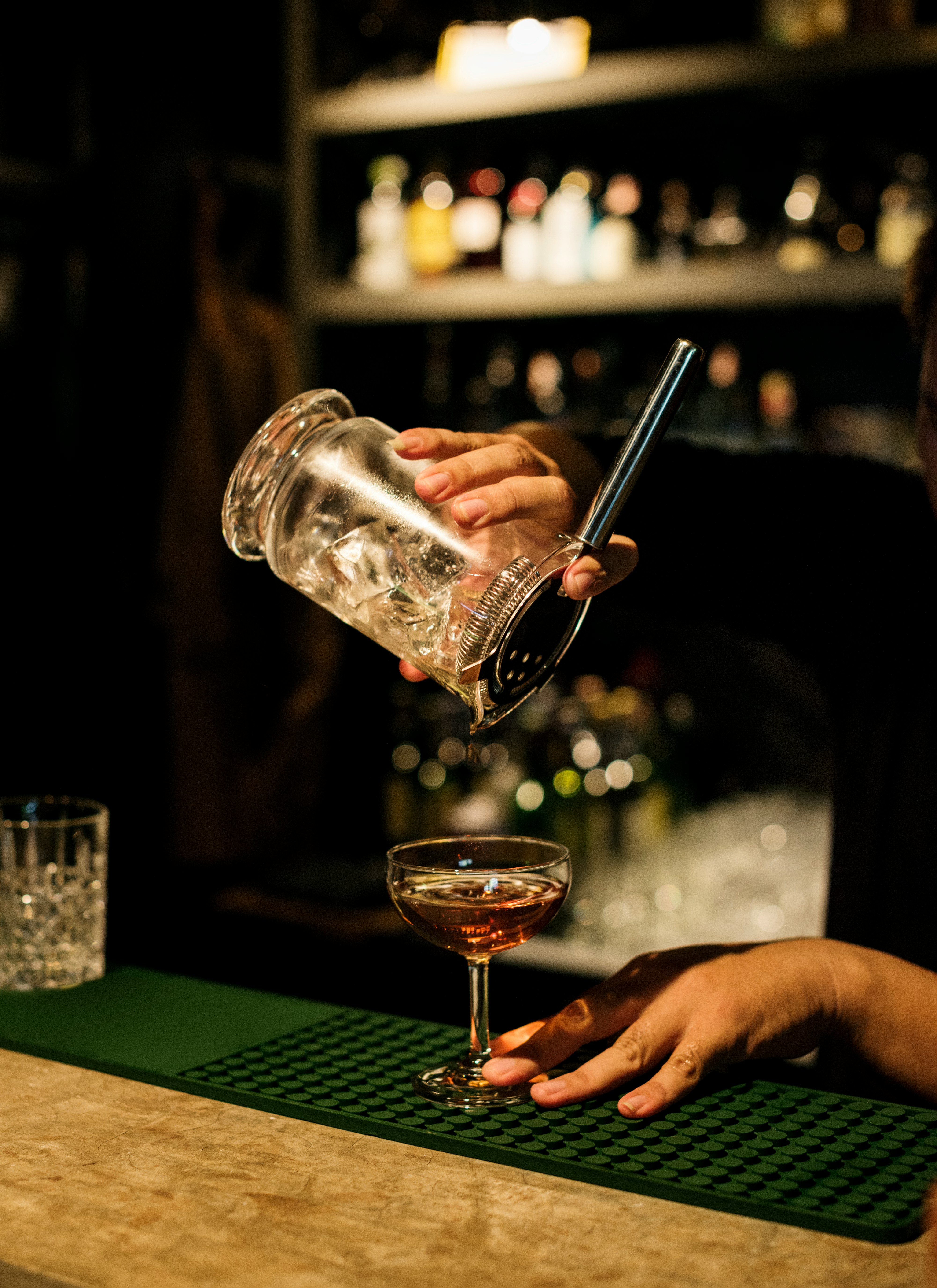
For a long time, premiumization in spirits meant one thing: what's in the bottle. Better liquid, better provenance, a higher price point to match. That's no longer the whole story.
Increasingly, what consumers are willing to pay a premium for isn't just the product, it's the experience that comes with it. The occasion, the ritual, the story they get to tell when they pour it for someone else. A well-made spirit still matters enormously. But the brands winning premium positioning today are the ones that understand experience is now part of the product, not a marketing layer on top of it.
We've seen this firsthand in our own research with spirits drinkers. When we've asked people what actually justifies paying more for a bottle, the answer is rarely just "it tastes better." It's almost always tied to the occasion: who they're with, what they're celebrating, the story behind the label. Liquid quality earns a seat at the table, but it's the experience wrapped around it that decides whether someone reaches for the premium bottle or the everyday one.
This shows up most clearly with younger LDA+ drinkers. In our research, this group is far more likely to say a brand's story, sourcing, or the moment it's tied to matters as much as the liquid itself. They're not choosing a spirit so much as choosing what having that spirit in their hand says about the moment they're in. Older cohorts still weight quality and familiarity more heavily, but even there, the gap is narrowing.
You can see the market betting on this shift in real time. A recent funding round for a small-batch Canadian gin brand is a useful signal here. Not because one funding round proves a trend, but because of what it says about investor confidence in craft and small-batch spirits specifically. Capital is flowing toward brands built on distinctiveness, provenance, and story, not just scale. That's a meaningful vote of confidence in the idea that Canadian spirits have room to build premium, experience-led brands that compete well beyond their home market.
You can see this play out across the category already. Tasting rooms and distillery visits have become genuine tourism draws, not just production facilities with a gift shop bolted on. Canned cocktails and RTDs lean hard into occasion marketing, positioning themselves for a specific moment, the tailgate, the picnic, the pool day, the beach, rather than just a flavour profile. Limited releases and brand collaborations generate the kind of anticipation and story-sharing that a standard SKU never will. None of that is accidental; it's premiumization built around experience rather than proof point.
Put those two threads together and the direction is clear: spirits are moving from "premium because of what's inside" to "premium because of everything the brand makes you feel, before, during, and after the pour." For brand teams, that means the research questions worth asking are shifting too - less "does this taste better," more "does this experience feel worth choosing again at this price."
That shift changes where the investment should go. It's not just about upgrading the liquid, it's about auditing the full arc of the occasion: the unboxing, the pour ritual, the story a bartender or a host tells while serving it. Those are the moments that turn a good bottle into the bottle someone reaches for when the occasion matters.
That said, experience can't fully compensate for a product that disappoints. We've seen brands lean so hard into story and design that the liquid becomes an afterthought, and that trade-off shows up fast in a lack of repeat purchase. The winning formula isn't experience instead of quality, it's experience that gives people a reason to try the product in the first place, with quality that earns the second purchase.
The liquid still must deliver. But increasingly, the liquid is table stakes. The experience is where premium is won.
For brand and innovation teams, the practical question is which specific experience elements are worth the investment for their audience and price point. Packaging redesign, tasting events, founder storytelling, and limited releases all cost money and attention; not all of them move the needle equally for every brand. Understanding which levers matter most for a given audience is what separates premium positioning that sticks from premium positioning that's just expensive.
This is also where category boundaries are blurring. Spirits brands are increasingly competing for the same occasion-driven spend as premium non-alcoholic options and even hospitality experiences, not just other bottles on the shelf. A brand that only benchmarks itself against other spirits is missing half the competitive set for the moment it's trying to win.
Know exactly which experience elements your consumer will pay a premium for, and which ones they won't. We'll show you where the real headroom is.
Related notes.

More Than an Arrow: Why Wayfinding Is a Safety Strategy
Why wayfinding is safety infrastructure, not just a signage refresh.
Flat Isn't Failure: Rethinking What "Resilience" Looks Like in Restaurants
Why flat sales might be the strongest sign of brand health.

Trust Anchors: Why the Empty Aisle Can Still Win
Why physical stores remain the ultimate trust anchor for shoppers.